Combat Military Hunger
Food should never be a stressor for the families who defend our nation. When pay, allowances, and services are uncertain, families face impossible choices and your support becomes a lifeline.
Be the reason a military family has food on the table.
Through multiple research efforts and shared experiences over the past decade, MFAN recognizes that too many military families struggle to make ends meet.
With your support, MFAN provides immediate relief to those in need, conducts research to understand the underlying factors, and convenes change makers to create a lasting impact.
Here’s how you can help today:
1. Corporate support: Encourage your business to join this effort. Contact us at giving@mfan.org.
2. Individual giving: Make a secure online donation above or send a check to: Military Family Advisory Network 1405 S Fern St. #93293, Arlington, VA 22202
3. Other ways to give: Gifts of stock or securities, qualified charitable distributions, and donor advised funds are welcome. Contact giving@mfan.org for details.
We respond: MFAN’S EMERGENCY GOVERNMENT SHUTDOWN SUPPORT
MFAN proudly collaborated with partners to send over 6,600 grocery boxes direct to the doors of US-based military families during the longest government shutdown in American history. These boxes, stocked with a week of food for a family of four, shipped to all 50 states during the shutdown, providing immediate financial and emotional relief for thousands of military members and their families. Take a look at the impact report, examining our efforts to support military families during the government shutdown: MFAN Grocery impact report
Thank you to our partners for standing with military families
In less than a month, these partners stepped up to donate $1.3 million dollars to send thousands of boxes to military families around the nation.
What is food insecurity?
When families are unable to consistently afford or access adequate meals, they face a challenge known as food insecurity. No military family should ever have to worry about where their next meal is coming from. But for far too many, that’s the reality.
According to MFAN’s latest research, one in five military and veteran families face this challenge — skipping meals, choosing between buying food or paying rent, and leaning on food pantries for support when times are particularly tough.
- Frequent moves remain a primary driver: More than half (51.6%) of respondents who relocated within 24 months experienced food insecurity.
- Certain families are at greater risk: Along with respondents who recently completed a PCS, newer military families (≤10 years of service), and those with children under 18 are most at risk for food insecurity.
- Food insecurity has a bearing on overall wellbeing: Of families who reported poor well-being, 40.6% faced marginal, low, or very low food security.
This isn’t just an economic issue — it’s a force readiness and retention issue, shaping how families see the sustainability of military life.
2017
15% of survey respondents reported food insecurity
2019
One in eight military and veteran families experienced food insecurity
2021
During COVID-19, one in five military and veteran families were food insecure
2022
One in six military and veteran families were food insecure
2023
One in five military and veteran families were food insecure, rising to one in four among active duty families.
2024
With more than half of respondents experiencing food insecurity following a military move, MFAN launched its PCS Pantry Restock Program at Fort Hood
2025
MFAN expanded its PCS Pantry Restock Program to five installations, serving more than 4,000 military families
Proven Impact
From 2021-2022, MFAN and our partners distributed over 1.5 million meals nationwide through our 1 Million Meals Challenge, launched a task force with the world’s leading food brands, and conducted critical research to uncover the causal factors that place military families at the greatest risk of food insecurity.
To date, MFAN’s PCS Pantry Restock Box initiative has served nearly 4,000 military families and has expanded across five installations. Families reported reduced financial stress, increased sense of welcome, and improved connections with local support resources. Looking ahead, MFAN aims to scale the PCS Pantry Restock Program coast to coast by 2027, focusing on high-need, high-mobility installations across all services.

“INSTEAD OF HAVING THREE MEALS A DAY, WE ATE TWO. SOMETIMES, WE SLEPT IN LATE SO WE COULD BEAT THE HUNGER AND EAT ONCE A DAY.”
Why do military families experience food insecurity?
In 2022, MFAN released a first-of-its-kind study, “Causal Factors of Military and Veteran Family Food Insecurity,” to better understand what leads a service member or veteran and their family to the point of food insecurity. The key themes to emerge include recent moves, growing families, military spouse unemployment, and unexpected expenses.
I WON’T EAT IF IT MEANS MY KIDS CAN EAT. MY HUSBAND IS THE SOLDIER, AND HE NEEDS THE FOOD MORE THAN MYSELF AS WELL.

CBS Evening News: Military families are increasingly turning to food banks
Military families move, on average, every two-and-a-half years. And every time families move, there’s a complete restart. That means looking for a new job, finding new childcare, getting set up with new schools, finding a new home.

Cox Media Group: Military families struggling with food insecurity
“People assume that if you’re in the military you’re taken care of, but the reality is that families in some cases are struggling and they’re having a hard time making ends meet,” says MFAN’s Shannon Razsadin.

Things That Go Boom: Are military families really going hungry?
Food insecurity in the force… and what we can do about it. New research shows that one-in-six military families don’t have consistent access to healthy food. So, how is it that service members and their families are finding basic necessities out of reach?
Offsetting the Costs of Moves and Stocking Pantries
Military families move every two and a half years on average. Frequent moves, or permanent changes of station, can present financial strain and social challenges.
Discover how MFAN formed a partnership with leading brands to aid military families during moves by distributing PCS Pantry Restock Boxes designed to get families started in their new homes.

More Food and Economic Security Topics
Food Assistance
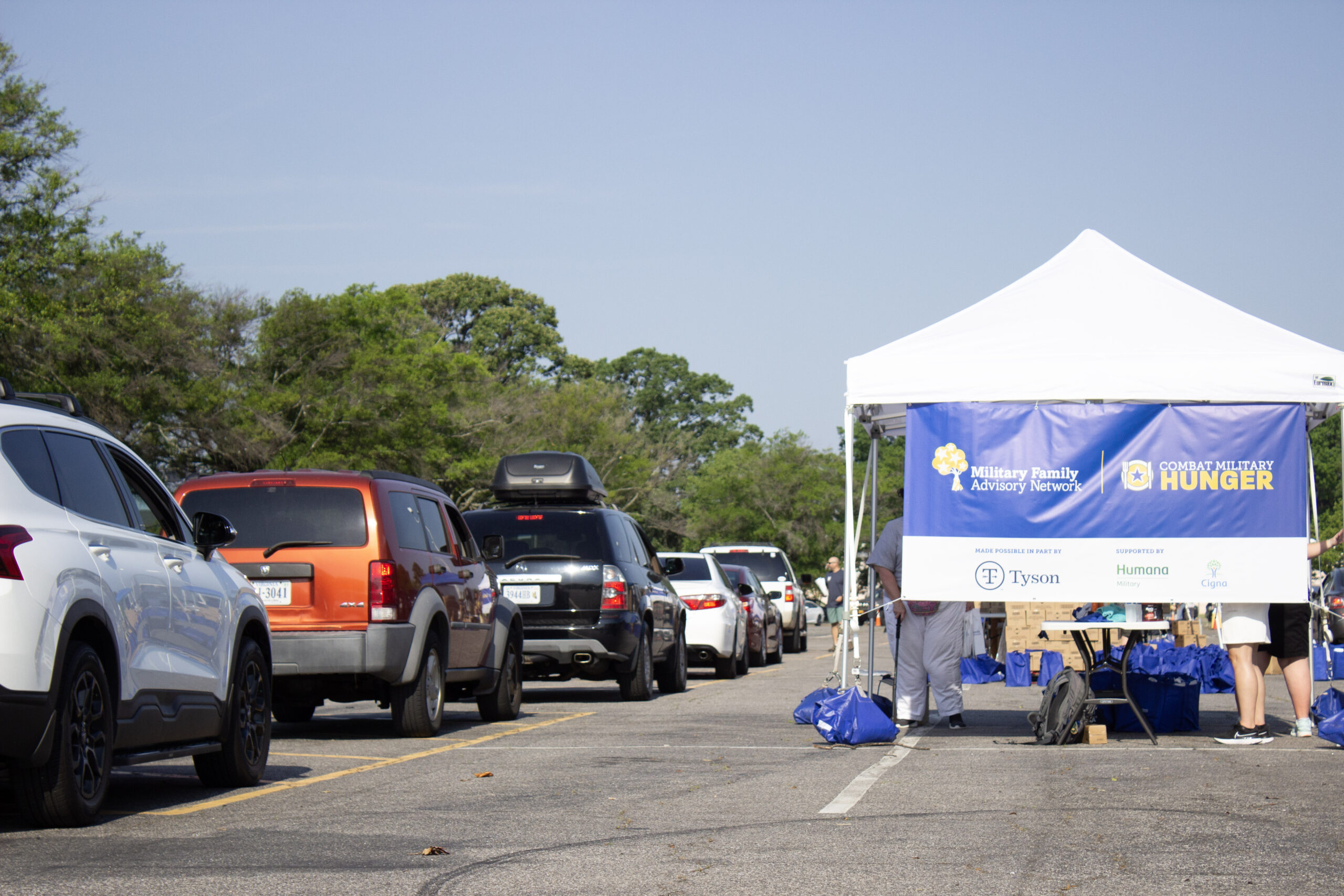
MFAN and our partners host food distributions throughout the nation to provide immediate relief to food insecure military families.
Our Impact on Food Insecurity
We are committed to providing both big-picture solutions and immediate on-the-ground assistance to military families.
Military Food Insecurity Statistics
Our research consistently shows that military families have been quietly struggling with food insecurity.
RESOURCES

“Food Matters” Webinar
How to stock your pantry, build a balanced plate, and avoid waste. Nutrition professionals teach you how to prepare nutritious meals and avoid food waste for your family.

WIC for Military Families
The Special Supplemental Nutrition Program for Women, Infants, and Children (WIC) provides supplemental foods, health care referrals, and nutrition education for pregnant, breastfeeding, and postpartum women and children from birth to age five.
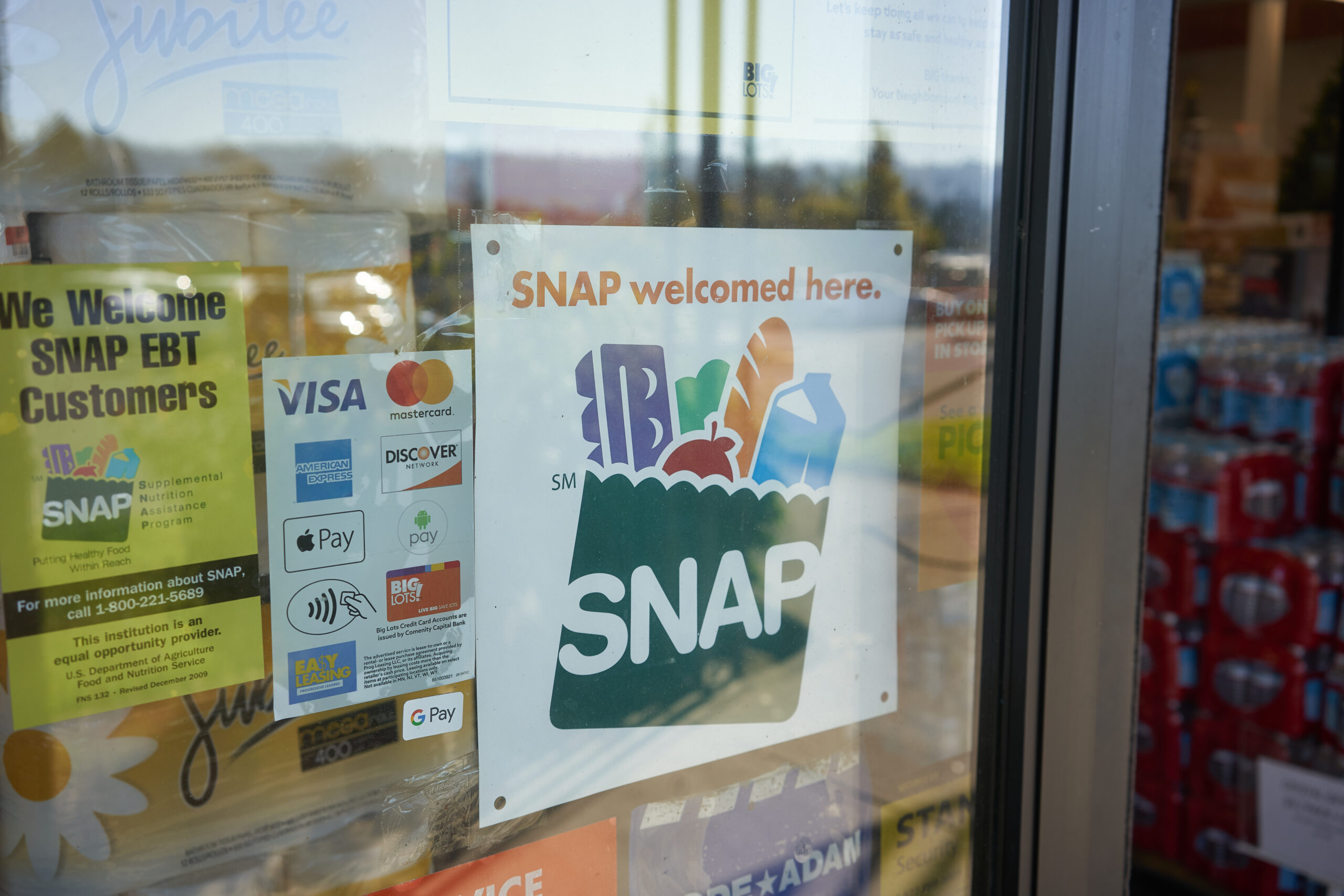
WHAT MILITARY FAMILIES SHOULD KNOW: FEDERAL SUPPORT PROGRAMS
Did you know there are programs to help provide healthy meals to your military family? Learn more about SNAP, WIC, Summer Food Service Program, National School Lunch Program, School Breakfast Program, and more.

Wounded Warrior Project Program Directory
The Wounded Warrior Project Program Directory is a comprehensive list of support services for injured service members and their families. Programs include mental health support, physical coaching, financial counseling, career transition and much more.
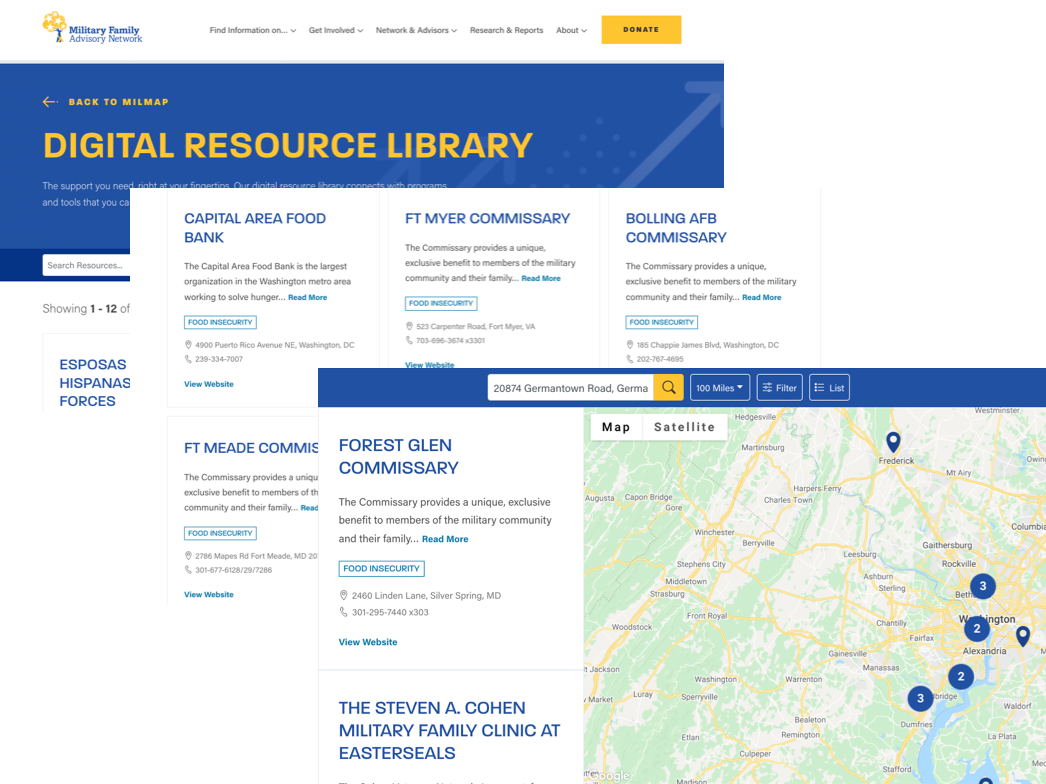
MilMap: Connect to community & find support
Let us connect you with the organizations, programs, and events that help you navigate military family life.
MilMap can help you find support for your military move, resources for kids, employment support, health and wellness information, crisis resources, and much more.